
Are You Ready For A Fire Safety Inspection?
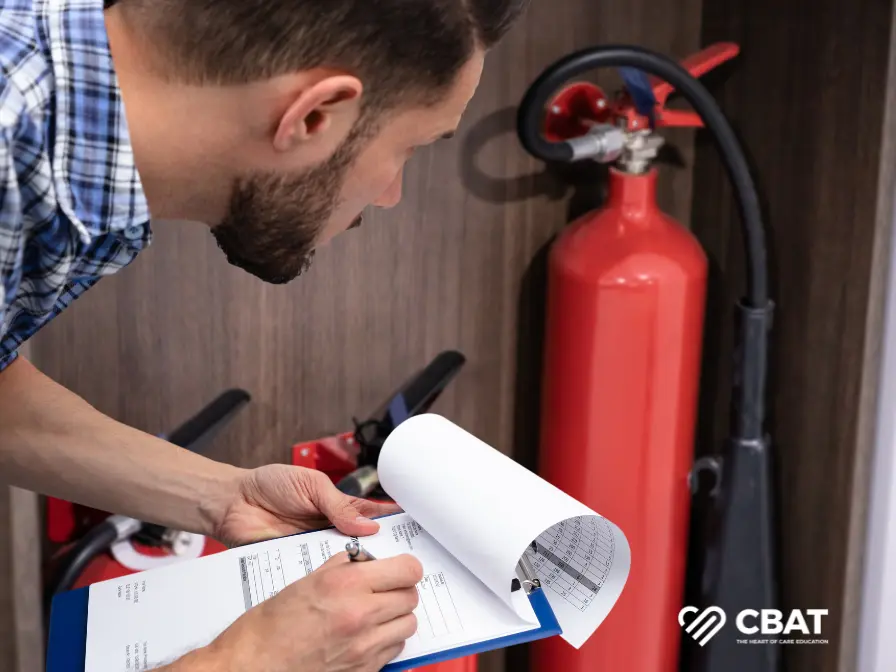
Fire Safety Compliance is a legal and moral responsibility for Businesses across the UK, particularly those operating in Care, Health, Education, Hospitality, and other people-focused environments.
With Fire Safety Inspections becoming more detailed and enforcement action increasingly visible, Organisations must ensure that it is managed consistently.
Being prepared for them should be part of everyday Business Operations. Failures can result in serious consequences, including enforcement notices, financial penalties, service disruption, reputational damage, and, most importantly, risk to life.
Understanding Fire Safety Legislation and Responsibilities
UK Fire Safety requirements are primarily governed by the Regulatory Reform (Fire Safety) Order 2005. This Legislation places a Legal Duty on the Responsible Person to take appropriate measures to reduce the risk of fire and protect people in the event of an emergency.
The Responsible Person is usually the Employer, Business Owner, or Senior Manager with control over the premises. Their responsibilities include:
- Ensuring a suitable and sufficient Fire Risk Assessment is in place
- Implementing Fire Prevention and protection measures
- Providing appropriate Fire Safety Training for Staff
- Maintaining Fire Safety equipment and escape routes
- Reviewing arrangements regularly and following changes
These duties cannot be ignored or delegated without oversight. Ultimately, accountability for Fire Safety Compliance sits at Senior Leadership level.
For detailed Fire Safety guidance, visit the official UK Government page.
Why Fire Safety Inspections go beyond Documentation
Fire Safety Inspections are designed to assess how effectively safety is managed in practice, not just whether policies exist.
Inspecting Officers will often assess:
- Whether the Fire Risk Assessment reflects the current layout and use of the premises
- The condition and accessibility of fire exits and escape routes
- Maintenance Records for fire alarms, extinguishers, and emergency lighting
- Fire door management and signage
- Staff awareness of Evacuation Procedures
Outdated paperwork or incomplete records are common reasons for enforcement action. Inspections increasingly focus on how Fire Safety arrangements work in real-life conditions, rather than how they appear on paper.
Common Fire Safety issues identified during Inspections
Many Businesses are found non-compliant due to issues that develop gradually over time. Common examples include:
- Fire Risk Assessments not reviewed following building alterations or Service changes
- Fire exits obstructed or poorly signed
- Fire doors damaged, wedged open, or not closing correctly
- Irregular testing of alarms and emergency lighting
- Insufficient or outdated Fire Safety Training
These issues are often preventable with regular monitoring and review.
Learn more about Fire Safety best practice on the HSE website.
The Role of Fire Safety Training in Compliance
Fire Safety Training is a key requirement under Fire Safety Legislation and plays an important role in Inspection readiness. Training should ensure Staff understand:
- Fire hazards relevant to their workplace
- How to reduce the risk of fire occurring
- What action to take if a fire is discovered
- Evacuation procedures and assembly points
Training should be reviewed and refreshed regularly. Inspectors often ask how Training is delivered, recorded, and kept up to date!
Record Keeping and Evidence for Inspections
Accurate Fire Safety Records are essential! Businesses should be able to demonstrate that arrangements are actively managed and reviewed.
Key records may include:
- Fire risk assessments and review dates
- Fire alarm and emergency lighting test logs
- Maintenance certificates for fire safety equipment
- Fire drill records
- Fire Safety Training attendance records
Clear record keeping not only supports Inspection outcomes but also helps Businesses identify risks early and take corrective action.
Leadership Oversight and Fire Safety Culture
Care Business Associate Training offers a comprehensive range of Fire Safety Courses designed to support different roles across your Organisation.
From Fire Warden Training to Train the Trainer programmes and wider Fire Safety Training, our Courses are delivered by experienced, Expert Trainers who operate Nationally across the UK.
If you’d like further information or support, you can browse our full catalogue of programmes or speak directly with a member of our Team.
Call us on 01772 816922
Or click here to submit an enquiry
Frequently Asked Questions
What is a Fire Safety Inspection?
A Fire safety Inspection is carried out by the local Fire and Rescue Authority to assess whether a Business is meeting its Legal Fire Safety responsibilities. Inspections typically review Fire Risk Assessments, arrangements, Staff awareness, evacuation procedures, and the condition of Fire Safety equipment.
Who is responsible for Fire Safety in a Business?
The Responsible Person is accountable for Fire Safety. This is usually the Employer, Business Owner, or Senior Manager who has control of the premises. While tasks can be delegated, legal responsibility remains with the Responsible Person.
How often should a Fire Risk Assessment be reviewed?
A Fire Risk Assessment should be reviewed regularly and updated whenever there are significant changes, such as building alterations, changes in occupancy, new equipment, or changes to how the premises is used. In practice, most Businesses review their assessment at least annually.
What happens if a Business fails a Fire Safety Inspection?
If serious issues are identified, the Fire and Rescue Authority may issue an improvement notice, enforcement notice, or, in severe cases, prohibit use of part or all of the premises. Failure to comply with Fire Safety Legislation can also result in fines or prosecution.
Is Fire Safety Training a Legal requirement?
Yes. UK fire safety law requires businesses to provide appropriate Fire Safety Training to Staff. Training should be relevant to the workplace, reflect identified risks, and be refreshed regularly to ensure that your Team remain aware of procedures.
What Records should Businesses keep for Fire Safety Inspections?
Businesses should maintain clear and up-to-date Fire Safety Records, including Fire Risk Assessments, alarm and emergency lighting test logs, maintenance certificates, fire drill records, and training records. These documents are often requested during inspections.
Do Care Settings have additional Fire Safety requirements?
Care settings must consider the needs of residents who may require support to evacuate safely. Fire Safety arrangements should reflect individual needs, staffing levels, and evacuation strategies, particularly during night-time or reduced staffing periods. Learn more here.
How can Businesses stay Inspection-ready?
Staying Inspection-ready involves regular reviews of Fire Risk Assessments, ongoing Fire Safety Training, routine equipment checks, clear record keeping, and prompt action when issues are identified. Fire Safety should be embedded into everyday operations rather than addressed only when Inspections are expected.