
Reality TV, Social Media and the Hidden Impact on Young People
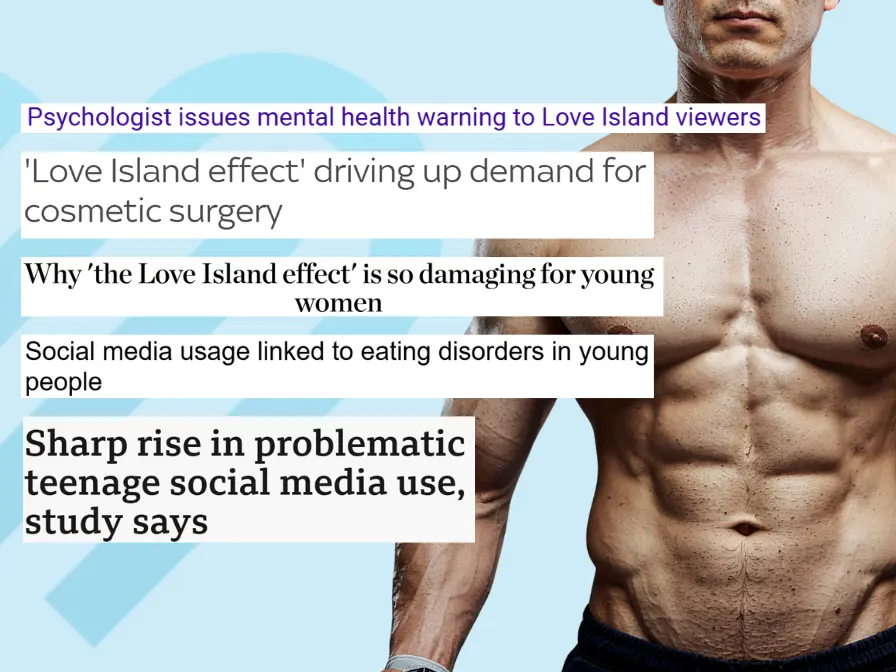
A young person comes home, drops their bag, and heads straight upstairs. Dinner gets a quick “not hungry.” Then comes the line that carries more weight than it should: “I hate how I look.”
For many children and teenagers, Anxiety creeps in through constant comparison, fear of judgement, and the feeling that they’re being watched online, at school, everywhere. And two big influences keep that pressure turned up: social media and reality TV culture.
Shows like Love Island don’t stay contained to a TV schedule. Their impact often lives in the “afterlife” online: TikTok clips, reaction videos, memes, highlight reels, and comment sections full of appearance-based judgements. Even young people who don’t watch full episodes can still absorb the tone and the messaging, because it becomes part of what peers talk about and what trends online.
This isn’t about blaming one programme or telling families to ban screens. It’s about understanding how certain messages can shape what young people believe is normal about bodies, popularity, relationships, and how people treat each other. Especially during puberty, when confidence is already fragile.
When Entertainment Teaches the Wrong Lessons
Reality TV is designed to entertain. It’s edited, staged, and built for drama. But young people don’t always experience it like that, particularly when content is constantly repackaged into short clips that look like real life.
Over time, the same themes can repeat, such as:
· Appearance as currency
· Romantic attention as validation
· Conflict as status
· Humiliation framed as humour
· Popularity treated like “proof” someone is worthy
Messaging can often be echoed by influencer culture where likes, comments, and follower counts look like instant credibility. Young people can begin to measure themselves against an unrealistic standard.
Puberty: The Perfect Storm for Body Image Pressure
Puberty is a normal stage of development. Bodies change quickly and confidence can dip fast. Many young people become more self-conscious than they have ever been, and more sensitive to peer opinion.
Now place those natural changes alongside feeds full of:
· Filtered faces and bodies
· “Glow up” transformations
· Body trends and “aesthetic” standards
· Constant commentary about who looks best
It’s easy for a young person to start believing their changing body is a problem to fix rather than a normal part of growing up. That belief often fuels anxiety. Not just “I don’t like how I look,” but “People will judge me,” “I’ll get laughed at,” “I don’t want to be seen.”
Anxiety in Young People Often Looks Like Something Else
Anxiety isn’t always panic. Sometimes it looks like avoidance, irritability, or physical symptoms that don’t have an obvious cause. A young person may be overwhelmed by fear of judgement but struggle to put it into words.
You might notice:
· Withdrawal, mood swings, irritability or tearfulness
· Sleep problems, nightmares, exhaustion
· Stomach aches, headaches, nausea (especially on school days)
· Avoidance of PE, clubs, swimming, social events or being photographed
· Increased reassurance-seeking (“Am I in trouble?” “Did I do something wrong?”)
When anxiety mixes with body image concerns, food is often where young people try to regain a sense of control.
Diet Culture Online: When “Healthy” Becomes Harmful
Some of the most damaging content doesn’t look harmful. It looks like “wellness”. But many young people interpret it as rules, and rules can quickly become fear and shame.
Common examples include:
· “What I eat in a day” content that promotes restriction
· “Clean eating” messaging that labels foods as morally good/bad
· Transformation videos that glorify weight loss
· Fitness content framed as discipline or punishment
· Comment sections that reward thinness and mock normal bodies
This is where disordered eating can begin. A young person might start skipping meals, cutting out food groups, exercising to “earn” food, or becoming distressed and secretive around eating. Not every young person will develop an eating disorder, but early changes still deserve attention.
Bullying and “Banter”: How It Escalates Fast
Appearance-based commentary is one of the quickest ways social media and reality TV culture spills into real life. Rating people’s looks, joking about bodies, teasing puberty changes, mocking eating habits, it often gets dismissed as “banter” until it becomes normalised.
Bullying today can also be:
· Group chat pile-ons
· Screenshotting and sharing private messages
· Image-based bullying (photos/videos shared to shame)
· Anonymous accounts targeting one person repeatedly
· Public comments that invite others to join in
That’s why Cyberbullying can have such a strong link to Anxiety, isolation, school avoidance and low mood. From a Safeguarding perspective, the risk isn’t only “young people are being unkind” It’s that repeated shaming, harassment or humiliation can escalate quickly into significant harm.
Calm Adults, Clear Boundaries, Confident Responses
For anyone working with young people in Health, Social Care, or Children’s Services, calm responses are one of the most effective tools you have. When emotions are high, your job is to keep the interaction safe, clear, and respectful.
The aim is not to win an argument. Use simple, neutral language to name what you’re seeing, set the limit, and guide the next step: it reduces escalation, protects dignity, and keeps expectations consistent.
Over time, this approach builds trust, models self-regulation, and creates the stability young people need to re-engage and make better choices.
Helpful shifts include:
· Focusing on how content makes them feel, not just screen time
· Explaining that much of what they see is edited, filtered, sponsored, or staged
· Challenging appearance based “jokes” early, before they become normal
· Making reporting routes clear (who to tell, what happens next, reassurance they won’t be blamed)
· Using supportive language around food (avoiding “good/bad food” talk and dieting jokes)
The Rules Are Changing, but the Need Stays the Same
Young people live in a world where they’re constantly being evaluated, by schools, social media, peers, and wider society. At the same time, policy-makers are responding to rising pressure with proposals like social media restrictions.
In the UK, the Prime Minister has been signalling faster, tougher action to tighten protections for young people online, alongside the wider Online Safety Act framework and enforcement expectations for platforms.
Australia has gone further by introducing a minimum age requirement (under-16s) that places responsibility on platforms to take “reasonable steps” to prevent account access, shifting the focus from individual self-control to system-level Safeguards.
Choose the Right Training Pathway
At Care Business Associate Training, we provide a wide range of Training Services to help protect those in your Care. Among many courses some of our most popular include Social Media Awareness, Bullying and Cyberbullying, Eating Disorder Awareness, Safeguarding and many more.
If you’d like to strengthen your Organisation’s approach, we can help you choose the right Training Pathway for your Staff and Setting.
Call us: 01772 816922