
What Are the Signs of Domestic Abuse During the Festive Period?
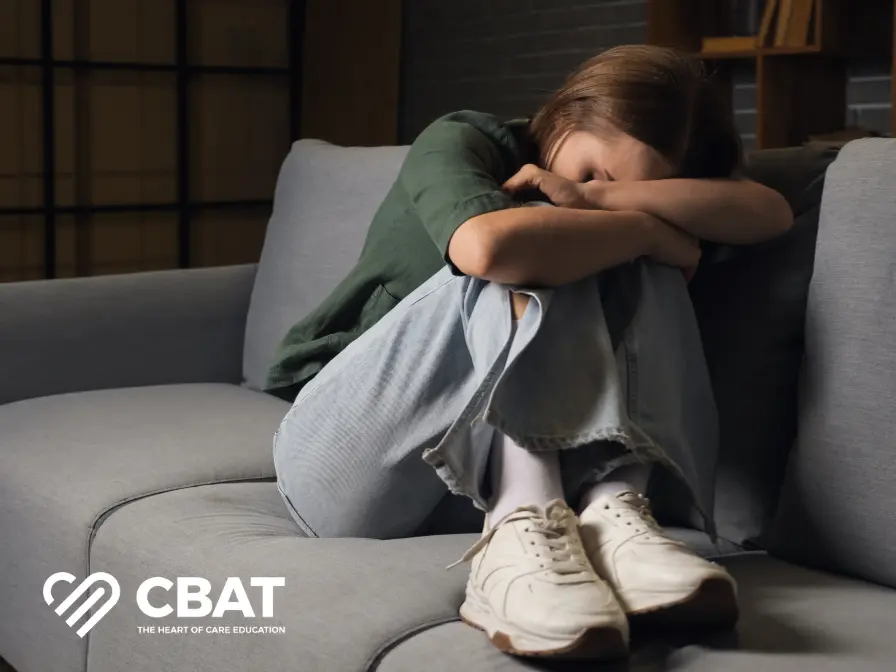
The Festive period is often associated with warmth, celebration, and families coming together. Yet this perception does not reflect the reality for everyone. For countless individuals, the Christmas period brings increased risk, with Domestic Abuse escalating and isolation intensifying. Behind closed doors, many individuals continue to suffer in silence, unseen and unheard.
In the year ending in March 2025, around 3.8 million adults in England and Wales experienced Domestic Abuse. This includes 2.2 million women and 1.5 million men.
Whether you are concerned about a loved one or work in a Professional Role, recognising the warning signs of someone at risk is vital. Domestic Abuse can affect anyone!
Recognising The Signs
It is important to recognise that every situation is different, and Domestic Abuse does not start because of Christmas. However, the pressures linked to the Festive period can exacerbate existing patterns of Abuse.
Common Contributing Factors Include:
- Increased financial pressure and household costs
- Reduced income or benefit delays
- Increased alcohol or substance misuse
- Extended periods spent indoors together
- Heightened emotional expectations
- Reduced access to professional support and services
Signs Of Domestic Abuse During The Festive Period
During Christmas and New Year, signs of Abuse may become more visible, or even more carefully concealed.
1. Increased Anxiety, Fear, or Withdrawal
Individuals experiencing Abuse may:
- Appear unusually anxious, distressed, or tearful
- Avoid eye contact or conversation
- Seem fearful when a partner or family member is present
- Withdraw socially or cancel visits unexpectedly
Festive expectations can pressure individuals to hide distress, increasing emotional harm.
2. Changes in Routine or Restricted Communication
Coercive control may intensify when families spend extended time together. Warning signs include:
- A partner or family member insisting on being present during family visits
- Limited access to phones or communication
- Reluctance to speak freely
- Sudden unexplained changes to routines
The NSPCC identifies controlling behaviour as a key indicator of Domestic Abuse. Learn more here.
3. Unexplained Injuries or Inconsistent Explanations
Physical Abuse may present as:
- Bruising, burns, cuts, or fractures
- Injuries at different stages of healing
- Wearing long sleeves or heavy clothing indoors to conceal marks
- Explanations that change or do not align with the injury
Winter clothing can make physical signs easier to hide during the Festive Period.
4. Emotional and Psychological Abuse Indicators
Domestic Abuse is often emotional as well as physical. Signs may include:
- Low self-esteem or excessive self-blame
- Fear of making mistakes
- Signs of depression, emotional numbness, or hopelessness
- Being spoken for, corrected, or criticised by others
The NSPCC notes that Emotional Abuse can have long-lasting effects on wellbeing and confidence.
https://www.nspcc.org.uk/what-is-child-abuse/types-of-abuse/emotional-abuse/
5. Financial Abuse and Deprivation
The Festive Period can highlight financial control, including:
- No access to money for food, heating, or gifts
- Anxiety about spending
- Unpaid bills or unexplained debt
- Being prevented from managing personal finances
Financial Abuse can significantly reduce an individual’s ability to seek help or leave an unsafe situation.
6. Alcohol-Related Escalation of Risk
Alcohol does not cause Domestic Abuse, but it can escalate:
- The frequency or severity of incidents
- Aggressive or unpredictable behaviour
- Emotional volatility within the household
Care Professionals should remain alert where alcohol use coincides with fear, injury, or withdrawal.
Safeguarding Responsibilities During The Festive Period
Safeguarding duties do not pause during holidays. In fact, risk often increases when:
- Services operate with reduced staffing
- Normal routines are disrupted
- Individuals are isolated from external support
The NSPCC emphasises the importance of early intervention and reporting concerns promptly. Click here to learn more.
Final Thoughts
Domestic Abuse often becomes more hidden, more dangerous, and more isolating during the Festive Period.
By understanding the signs of Domestic Abuse during the Festive Period and knowing when and how to act, Care Professionals can Safeguard effectively and potentially save lives.
For Safeguarding Training, please contact a member of our Team, who will be able to support you through the process.
Click Here
Important reminder! Domestic Abuse can affect anyone, and concerns should never be ignored. If something does not feel right, trust your instincts and seek advice.
If you are concerned that someone may be at risk, it is important to act. Support and advice are available, and reporting concerns could help keep someone safe.
UK Domestic Abuse Support And Reporting Contacts
- In an emergency or if someone is in immediate danger
Call 999.
If you are unable to speak, use the Silent Solution by calling 999 and pressing 55 when prompted. - National Domestic Abuse Helpline (24/7, free and confidential)
0808 2000 247
https://www.nationaldahelpline.org.uk/
Run by Refuge, offering support, advice, and access to local services. - If a child may be at risk
Contact the NSPCC Helpline
0808 800 5000
https://www.nspcc.org.uk/keeping-children-safe/reporting-abuse/ - Support for children and young people
Childline (24/7)
0800 1111
https://www.childline.org.uk/