
Everything You Need to Know About The New Autistic Barbie: A Care Professional’s Perspective
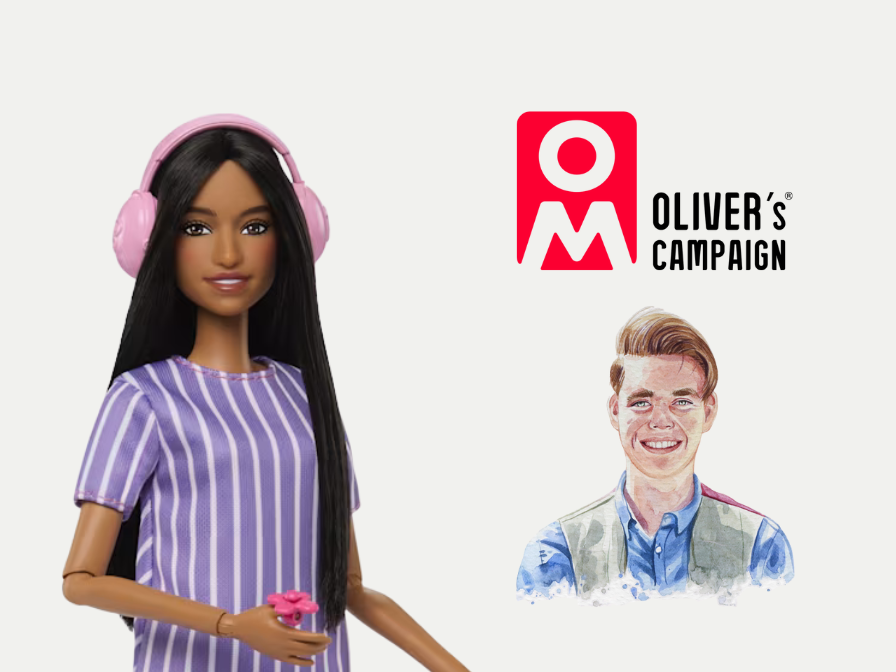
On the 12th of January, 2025, Mattel released its latest revolutionary figure, the first cover Autistic Barbie. With many SEN parents campaigning for representation for their children, this latest release has shown a shift to a more inclusive Barbie future.
The release of the Autistic Barbie doll has been making waves, and at Care Business Associate Training, we have been keeping a close eye on it. In this guideline, we will outline everything we have learned about the new Autistic Barbie doll and what it means for autistic representation.
Turning Representation into Understanding
The recent launch of Mattel’s first Autistic Barbie has been widely celebrated as a positive step forward for Neurodivergent representation. While it may look like a small cultural moment, it opens the door to a much bigger conversation about understanding Autism, listening to lived experience, and why meaningful education is so vital.
If the release of the new Autistic Barbie has taught us anything, it is that representation is powerful. But representation alone is not enough.
A Barbie Designed With Lived Experience
What makes the Autistic Barbie different is how it was created. Mattel worked alongside Autistic self-advocates to ensure the doll reflected real experiences rather than stereotypes.
Some of the lived experiences represented in the new Barbie doll include:
Sensory-Friendly Clothing
One of the key elements of the doll which makes it stand out from others in the Barbie range is its sensory-friendly clothing. Sensory issues are common in children with autism, making it uncomfortable to touch certain fabrics. The Autistic Barbie doll was designed in collaboration with the Autistic Self Advocacy Network, and the clothing was chosen not only to represent what autistic people may wear to avoid overstimulation, but also the materials the clothes are made from, which are specifically chosen to provide comfort for any autistic individuals who may play with the doll.
Noise-Cancelling Headphones
As well as representing some of the accessories many autistic people depend on throughout their day, Mattel has also introduced features to its dolls that help break down some of the stigmas held towards people with autism, specifically those who require noise-cancelling headphones.
Many children do not understand why others may need these headphones, so including headphones on the Autistic Barbie doll helps start conversations and may lead children to better understand why their peers need them.
A Fidget Toy
The Autistic Barbie doll comes equipped with a fidget toy, something that a lot of autistic people use for self-regulation and managing anxiety. These toys are essential tools for helping autistic individuals calm their nervous system and reduce stress.
Joint Articulation
A feature that sets the Autistic Barbie doll apart from other dolls on the market is its joint articulation. This articulation allows the dolls to demonstrate ‘stimming’, another way autistic people self-soothe. This inclusion in the doll is fantastic for autistic children who may receive it, providing them with further, necessary representation.
Side-Eye Gaze
A detail you may have missed on the Barbie is the side-eye gaze it has been given. Many people with autism struggle to make eye contact, which can often be misconstrued as being rude. By adding this feature to the doll, it creates space for dialogue and a better understanding for those who may not be aware of this common issue faced by
Communication Support
This is the first Barbie with an ACC Tablet included in its accessories. For many with autism, these tablets are instrumental to their ability to communicate, and by including them in their design, Mattel is once again raising awareness and destigmatising the devices.
If people have a clearer understanding of how people with autism are required to communicate, it will give them better tools to learn how to help someone with autism when they need it.
These details matter because they reflect everyday realities that are often misunderstood or overlooked.
Autism is a spectrum, and no single doll can represent each person. However, the intention behind this Barbie is clear. When Autistic voices are listened to, outcomes improve.
Read more about the Autistic Barbie and its launch here.
Why Representation Alone Is Not Enough
Toys like this can help normalise Autism, especially for children. They can encourage empathy, reduce stigma and open up conversations about difference at an early age.
But in Health and Social Care settings, awareness without understanding can be dangerous.
This principle sits at the very heart of Oliver McGowan Mandatory Training.
Autistic people and people with a learning disability continue to experience poorer Health outcomes, barriers to care and, in the worst cases, avoidable deaths. This is not because staff do not care, but because they are not always given the right Training to understand communication differences, sensory needs and reasonable adjustments.
The Link Between the Autistic Barbie and Oliver McGowan Mandatory Training
There is a clear connection between this cultural moment and professional responsibility.
Both the Autistic Barbie and Oliver McGowan Mandatory Training are built on the same foundation. Listening to lived experience.
The Barbie was designed for autistic people. Oliver McGowan Mandatory Training is designed and delivered with experts who have lived experience of autism and learning disability. Their insight transforms learning from theory into reality.
This training goes beyond awareness. It helps professionals understand how autism and learning disabilities can impact communication, behaviour, sensory processing and decision making. Most importantly, it shows how reasonable adjustments can make healthcare safer and more inclusive.
From Awareness to Action in Health and Social Care
Representation helps people see neurodivergence. Training helps people respond appropriately. At Care Business Associate Training, we strongly believe that autism awareness training should be a requirement for all those working in health and social care.
Oliver McGowan Mandatory Training equips Health and Social Care Professionals with the skills and confidence to deliver person centred care. It supports staff in moving away from assumptions and towards understanding the individual in front of them.
This includes learning how to adapt communication, recognise distress, respect autonomy and involve families and carers appropriately. These are not optional extras. They are essential skills that can prevent harm.
Why This Training Matters
Oliver McGowan’s death was avoidable. It happened because professionals did not have the understanding they needed to keep him safe.
That is why this Training is now mandatory across Health and Social Care settings. It exists to ensure that Autistic people and people with a Learning Disability are listened to, respected and supported properly.
The Autistic Barbie may help children feel seen on a toy shelf. Oliver McGowan Mandatory Training helps adults stay safe in real-life settings where understanding truly matters.
A Shared Message of Inclusion
The Autistic Barbie is a reminder that inclusion should be everywhere, in play, in education, and in professional practice.
At CBAT, we believe that meaningful change happens when lived experience is placed at the centre of learning. Oliver McGowan Mandatory Training is not about ticking a box. It is about building genuine understanding that leads to safer, more compassionate care.
Applying Understanding in Care Settings
Representation is an important first step, but awareness must lead to action. Moments such as the launch of the Autistic Barbie help to start important conversations.
Oliver McGowan Mandatory Training ensures those conversations translate into meaningful change for those with autism and a learning disability.
Informed understanding enables appropriate support.
As part of this National movement, we are pleased to announce that CBAT is NHS England-approved to deliver the Oliver McGowan Mandatory Training.
To learn more about these services, contact us today.